King Salman International Airport: Redefining Global Aviation from Riyadh
Introduction
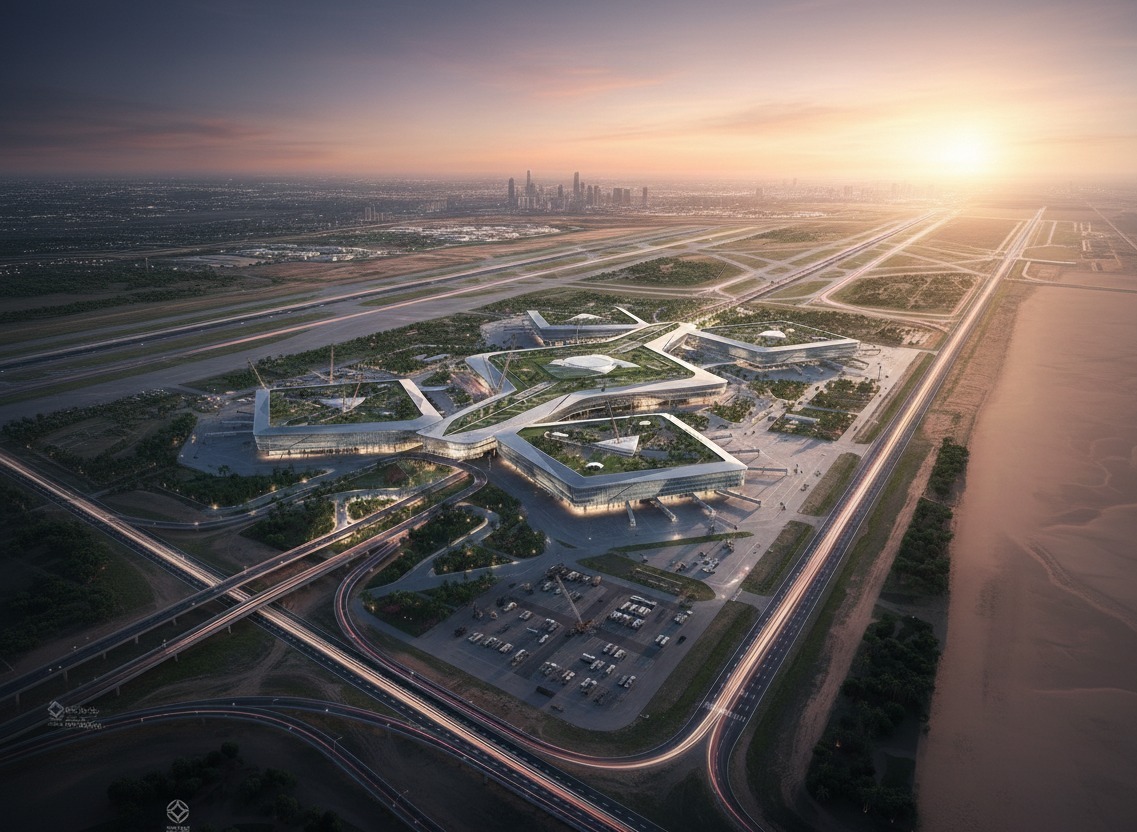
Saudi Arabia is undertaking one of its most ambitious infrastructure projects with the development of King Salman International Airport (KSIA) in Riyadh. Designed to become one of the largest airports in the world, the project reflects the Kingdom’s bold vision to position Riyadh as a leading global aviation, logistics, and tourism hub under Saudi Vision 2030.
Project Overview
King Salman International Airport is being developed on the site of the existing King Khalid International Airport, which will be fully transformed into a next-generation aviation complex. Once completed, the airport will significantly expand passenger capacity while integrating cutting-edge design, technology, and sustainability standards.
The project is led by the Riyadh Air and aviation development authorities, with architectural design by Foster + Partners, ensuring a world-class, future-ready gateway to the Kingdom.
Scale and Capacity
The scale of King Salman International Airport is unprecedented:
- Capacity to handle 120 million passengers annually by 2030
- Expansion potential to reach 185 million passengers by 2050
- Six parallel runways
- Multiple terminals covering more than 57 square kilometers
This immense capacity will place Riyadh among the world’s top global aviation hubs, comparable to the largest airports in Asia, Europe, and North America.
Design and Passenger Experience
The airport’s design emphasizes efficiency, comfort, and cultural identity. Key features include:
- Intuitive terminal layouts for seamless passenger movement
- Advanced digital systems for check-in, security, and boarding
- Premium lounges and hospitality facilities
- Retail, dining, and leisure zones inspired by Saudi culture
The goal is to deliver a smooth, enjoyable travel experience while reflecting Riyadh’s modern and heritage-driven identity.
Sustainability and Innovation
Sustainability is a core pillar of the King Salman International Airport project. The development targets:
- LEED Platinum certification
- Renewable energy integration
- Water-efficient systems
- Reduced carbon emissions through smart operations
These initiatives align with Saudi Arabia’s commitment to environmental responsibility and long-term sustainable growth.
Economic and Strategic Impact
King Salman International Airport will play a critical role in Saudi Arabia’s economic diversification by:
- Supporting the growth of Riyadh Air as a global carrier
- Strengthening logistics, cargo, and trade networks
- Creating tens of thousands of jobs
- Boosting tourism, business travel, and foreign investment
The airport is a cornerstone project in Riyadh’s transformation into one of the world’s top city economies.
Construction Status and Timeline
Construction is currently underway, with phased development planned over the coming years. The airport is not yet operational, with major milestones aligned toward 2030, while further expansions will continue beyond that date to meet long-term demand.
Conclusion
King Salman International Airport is more than an aviation project — it is a symbol of Saudi Arabia’s global ambitions. By combining scale, sustainability, and innovation, the airport is set to redefine air travel in the Middle East and establish Riyadh as a major gateway between East and West.